Nutrition & allergens

Know what’s on your plate.

Find the details you need to choose with confidence. Nutrition and ingredients vary by meal, so check the individual product information and packaging.

Food with thought

The nutrition behind our meals.

Our meals are created by chefs who work with nutritionists, bringing flavour and nutrition together. Here’s a simple guide to the nutrients on your plate.

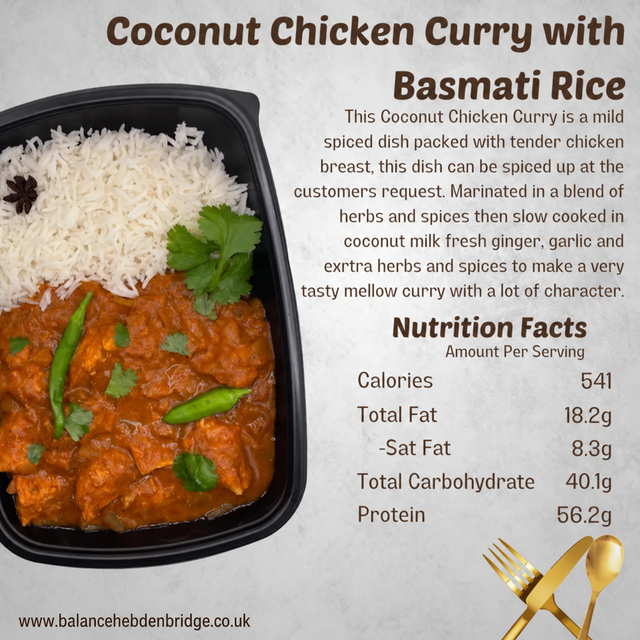
Coconut Chicken Curry with Fragrant Basmati Rice

Energy for your day

Carbohydrates

Carbohydrates give your body energy for everyday life and activity. Rice, pasta, potatoes and oats are familiar sources. Wholegrain choices provide more fibre to help keep your gut healthy.

Learn more about Carbohydrates

What they do

Starchy foods provide energy as well as nutrients such as B vitamins. Fibre helps food and waste move through your gut and can help you feel full.

What is useful to know?

Carbohydrate foods differ. Brown rice, wholewheat pasta and potatoes with their skins on generally offer more fibre than refined alternatives.

A simple everyday choice

Include a starchy food you enjoy alongside protein and vegetables. Choose a higher-fibre version when it suits you. The portion and added sauces or oils also affect the meal’s overall nutrition.

Read the evidence
NHS: carbohydrates and fibre

Tender and Juicy Jerk Chicken with Creamy Garlic Mash and Broccoli

Growth and repair

Protein

Protein helps your body grow and repair itself, including maintaining muscle. You can get it from meat, fish, eggs, dairy, beans, lentils and tofu. Both animal and plant sources count.
Learn more about Protein

What it does

Your body uses protein for the growth and repair of tissues. It is important for everyday health, as well as for people who exercise.

What is useful to know?

Different protein foods offer different nutrients. Beans and lentils also provide fibre, while meat and fish provide a range of vitamins and minerals.

A simple everyday choice

Vary your protein sources across the week. Include a protein food alongside vegetables and a starchy food, and compare the grams of protein in the portion you will actually eat.

Read the evidence
NHS: protein and a balanced diet

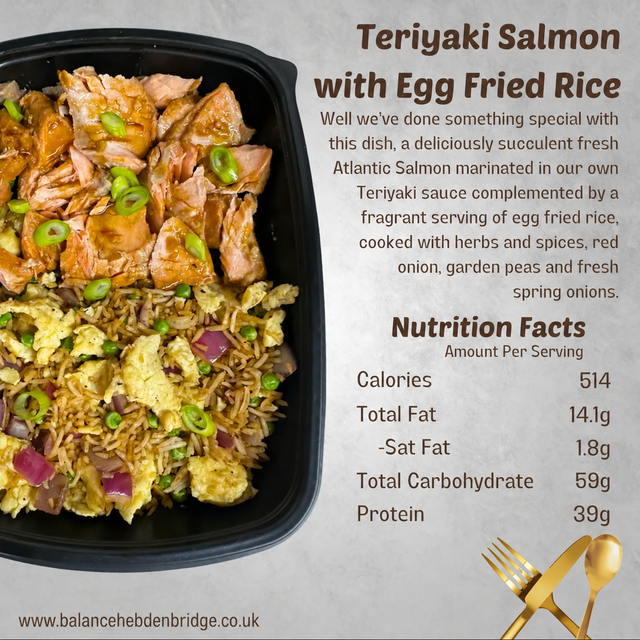
Teriyaki Salmon with Egg Fried Rice

An essential part

Fats

Your body needs some fat for essential fatty acids and to absorb vitamins A, D, E and K. Choose unsaturated sources such as olive oil, nuts, seeds and oily fish more often.

Learn more about Fats

What they do

Fats provide energy, essential fatty acids and help your body absorb certain vitamins.

What is useful to know?

The type and amount both matter. Replacing some saturated fat with unsaturated fat can help lower blood cholesterol. All fats are energy-dense: about 9 calories per gram, compared with 4 for carbohydrate or protein.

A simple everyday choice

Choose foods such as nuts, seeds and oily fish, and use modest amounts of olive or rapeseed oil. On food labels, check both total fat and saturates, as well as the portion size.

Read the evidence
British Dietetic Association: fat facts

Look at the whole meal: portion size, calories, fibre, vegetables and variety all matter. Check each meal’s nutrition and allergens. kcal means calories — a measure of energy.

More about balanced eating — NHS

Let’s check it together.

Call the shop with your question and the name of the product you’re considering.

Call 01422 760621